
Hard Water in Cooling Towers: Causes, Operational Problems and Modern Scale Prevention Methods
Introduction
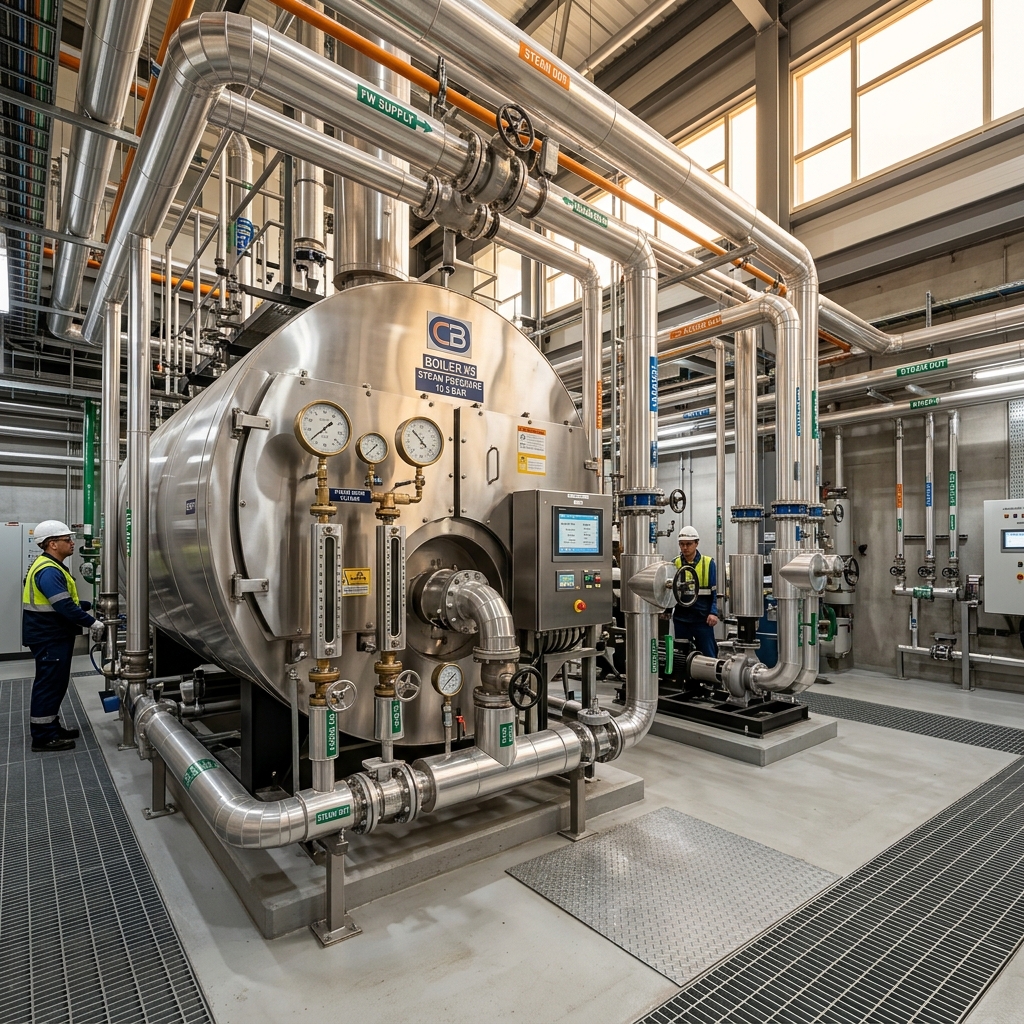
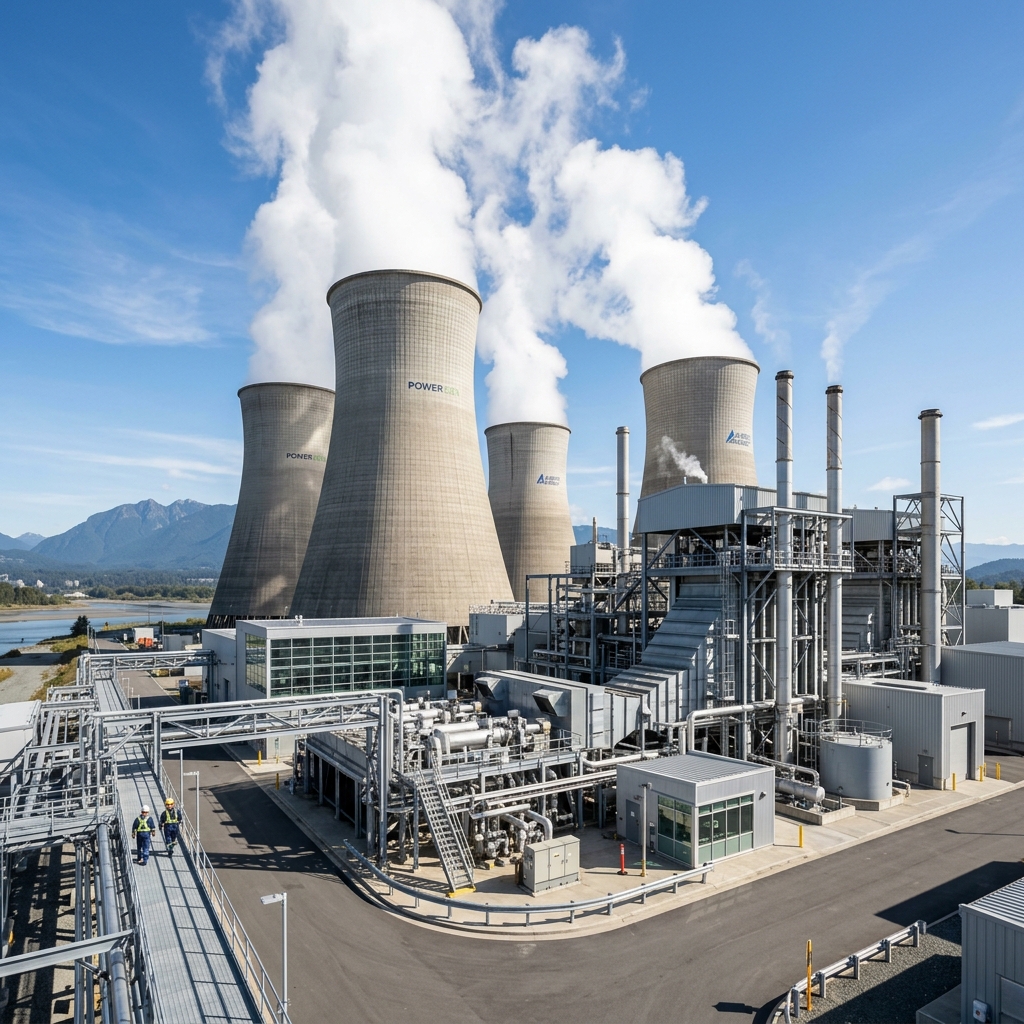
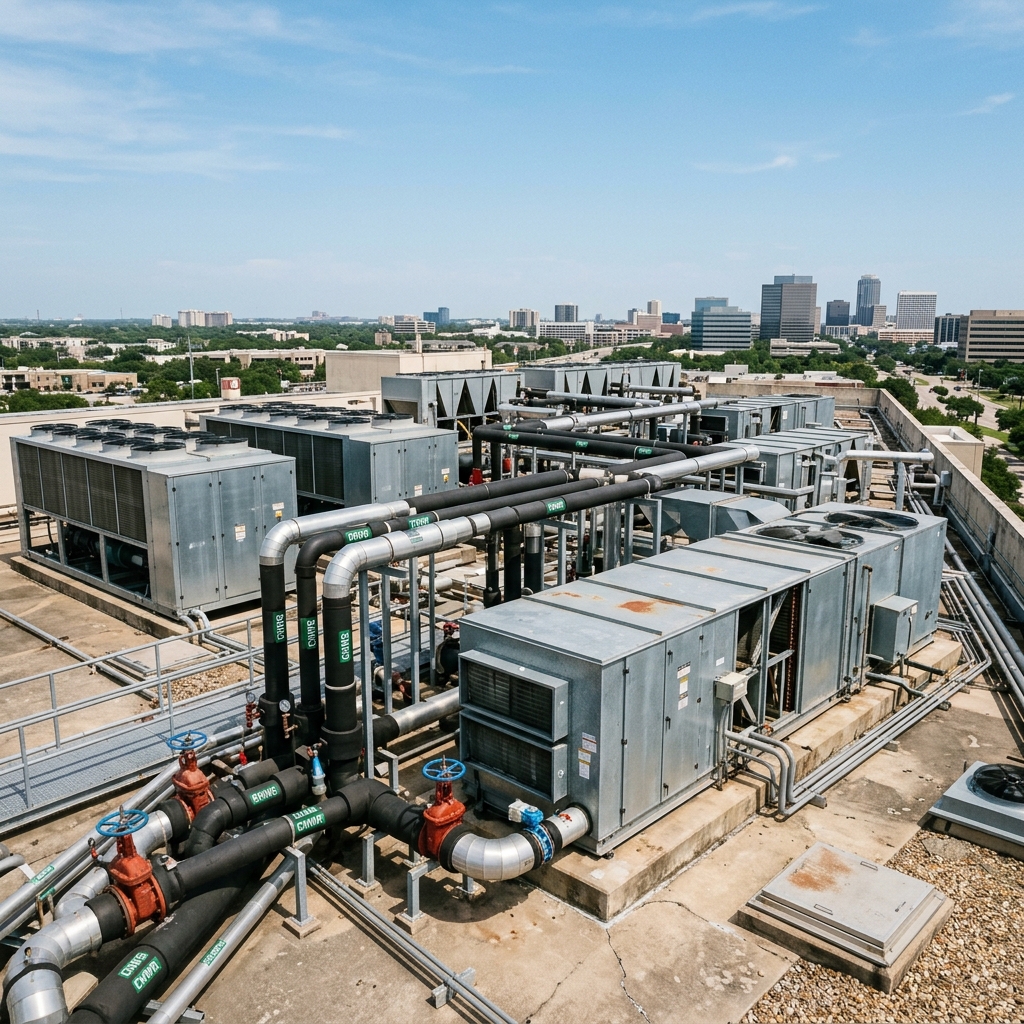
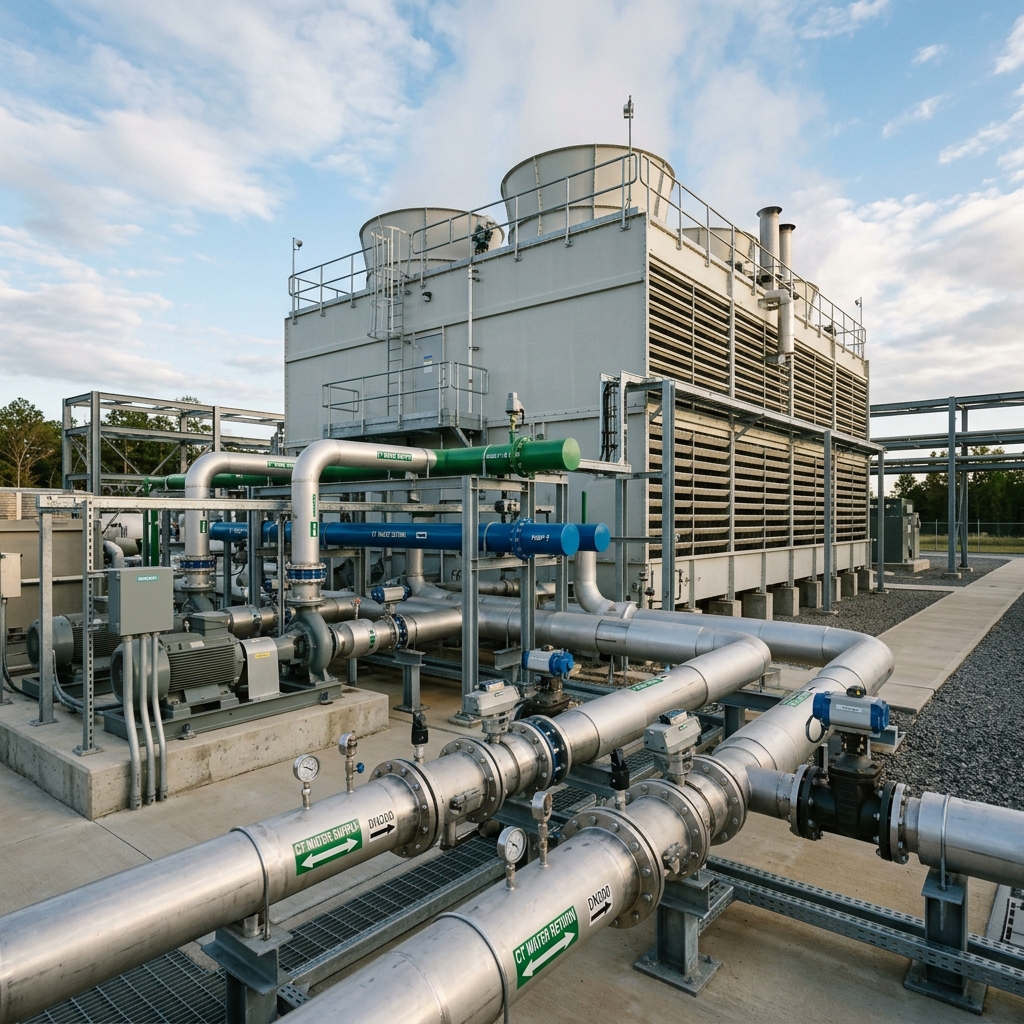
Walk into almost any Indian factory, mall, hospital or IT park, and somewhere on the roof or in the utility yard you will find a cooling tower quietly doing one of the hardest jobs in the building — throwing away heat. From HVAC chiller plants in Mumbai and Bengaluru to process cooling in steel, textile, chemical and food industries, evaporative cooling towers reject enormous quantities of heat at a fraction of the energy cost of air-cooled systems. They are also thirsty: in many commercial and institutional facilities, cooling towers account for 20–50% of total water consumption [1].
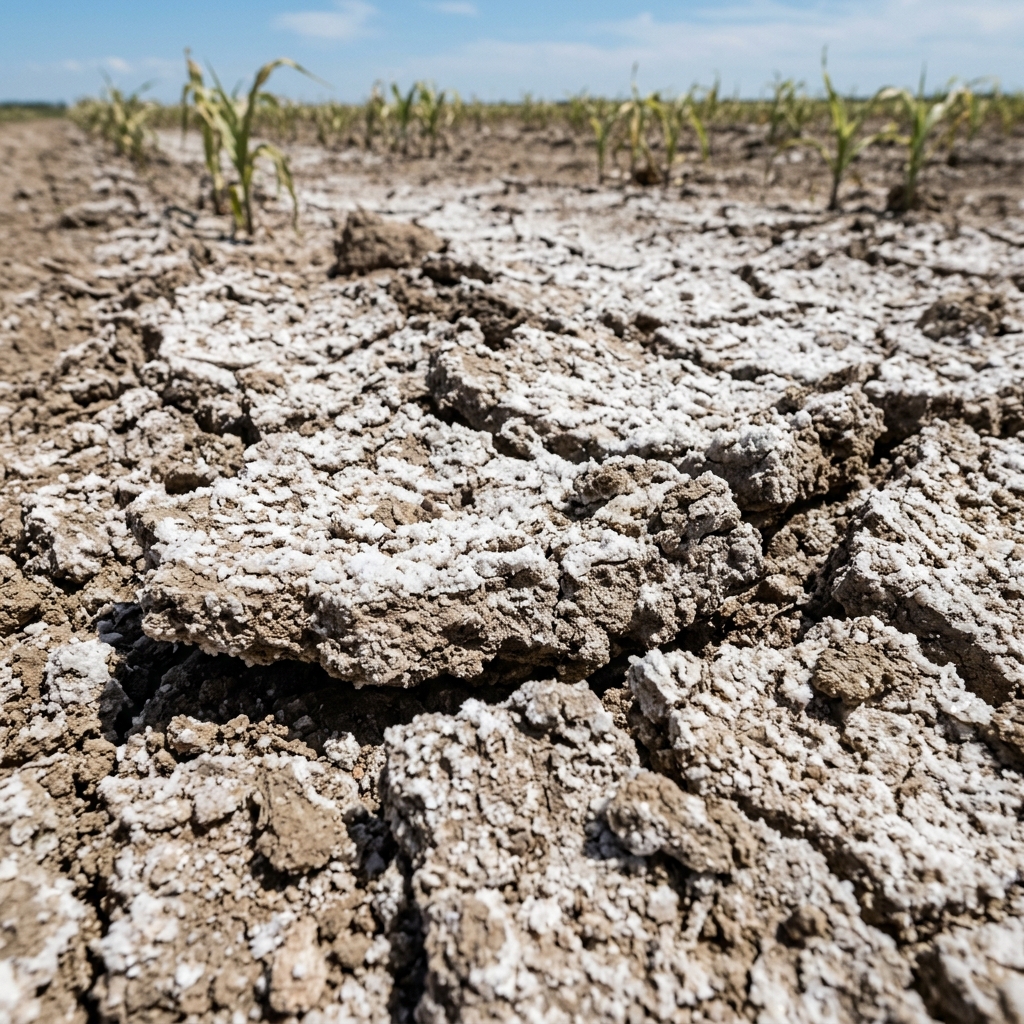
That dependence on water is also their weak point. Most Indian facilities draw make-up water from borewells, and groundwater across large parts of Rajasthan, Punjab, Haryana, Gujarat, Maharashtra and southern India is naturally hard — rich in dissolved calcium and magnesium [2]. Because a cooling tower works by evaporating water, everything dissolved in that water stays behind and gets more concentrated with every passing hour. The result is the most persistent enemy of water-cooled systems: mineral scale.
Understanding the System
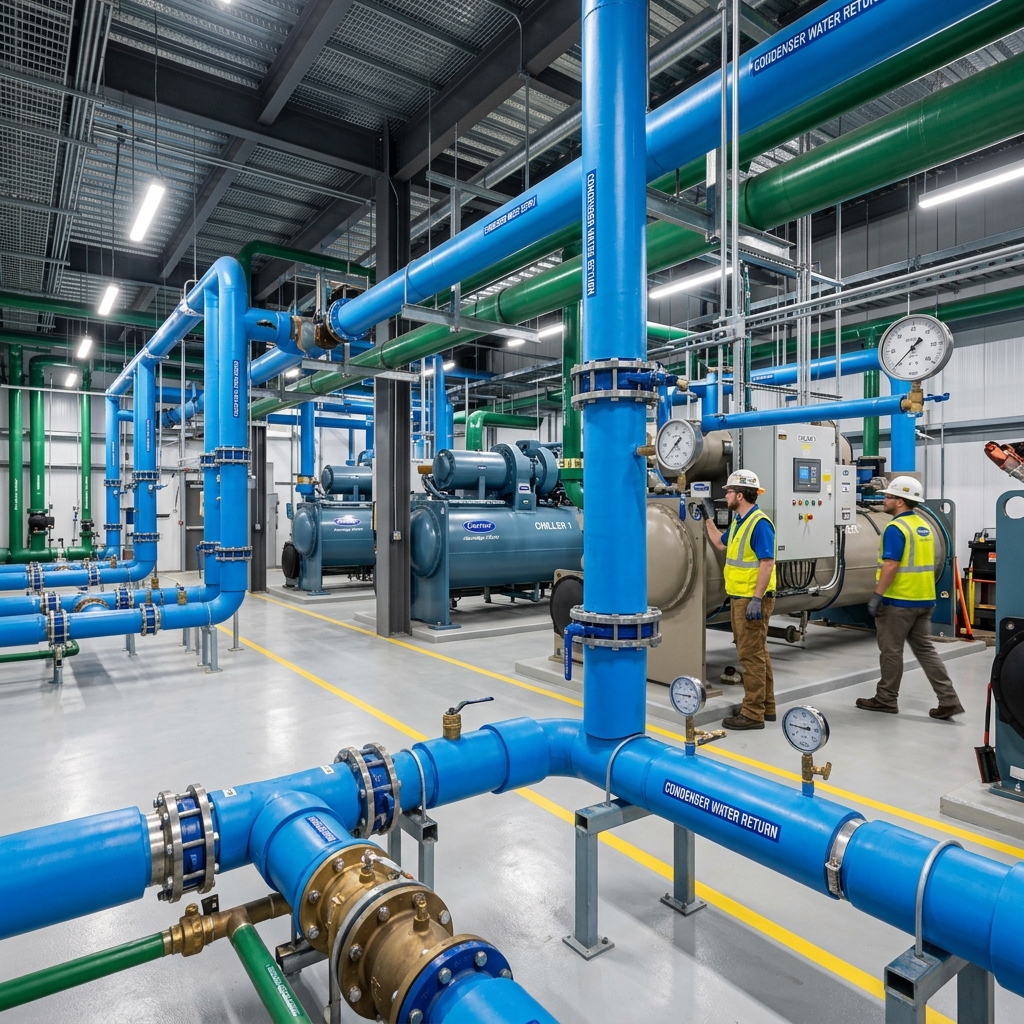
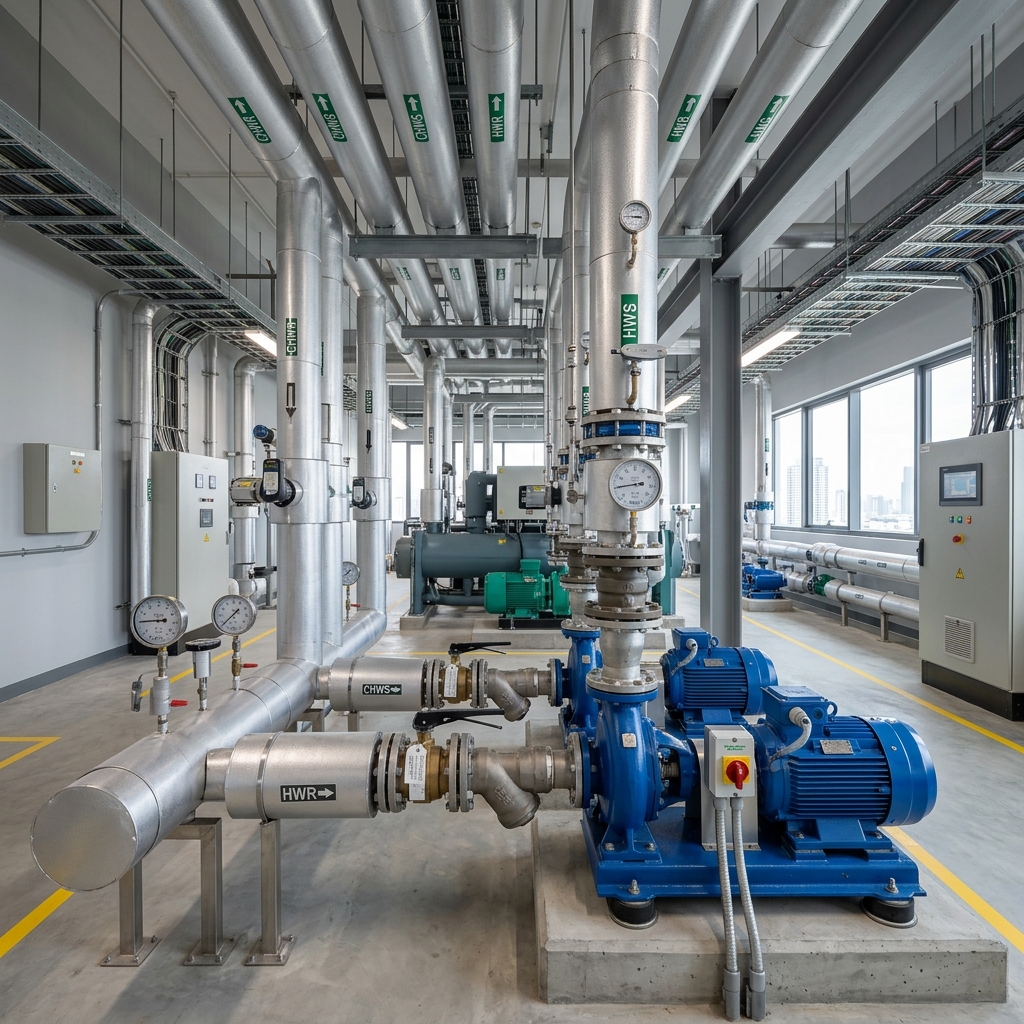
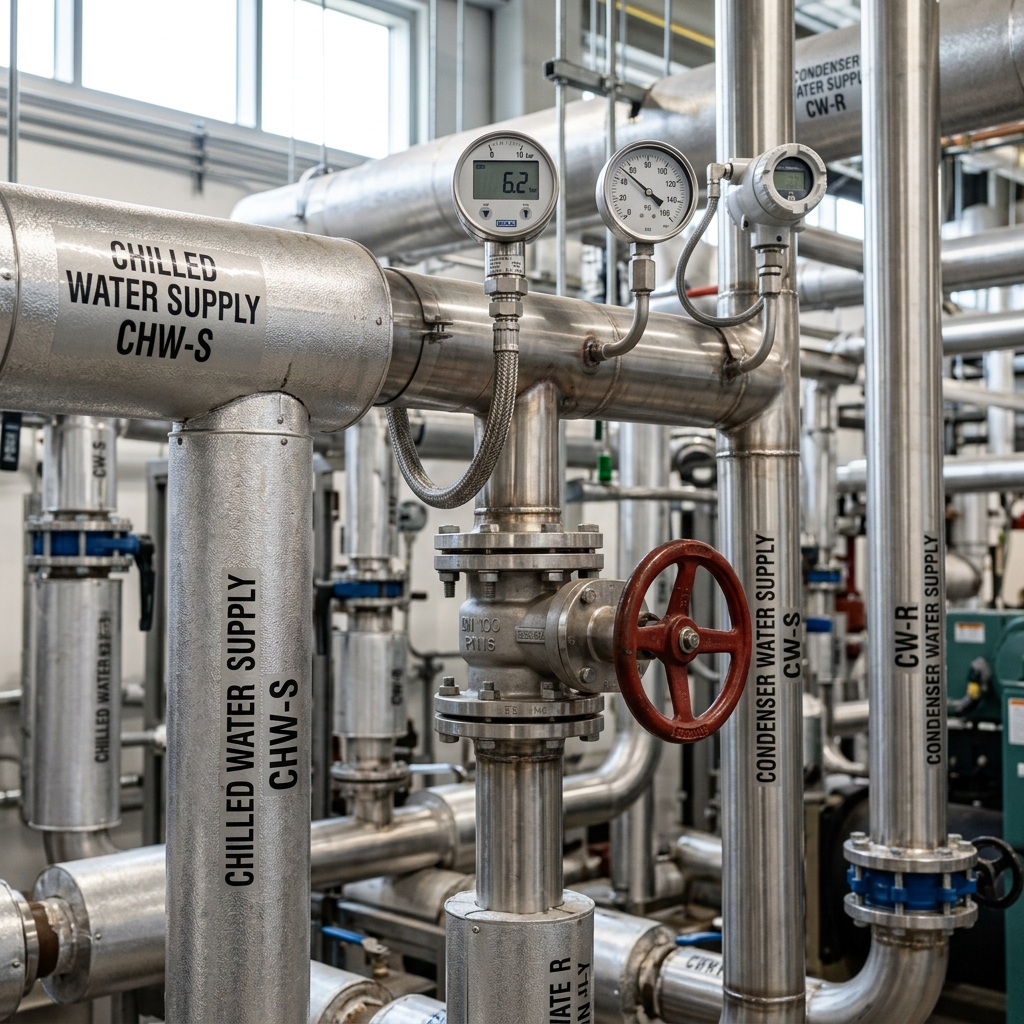
An open recirculating cooling system has four main parts: the cooling tower itself, a basin, circulation pumps, and the heat load — usually chiller condensers or process heat exchangers. Warm return water is sprayed over the tower fill, where a small portion evaporates into the air. Roughly 1% of the circulating water evaporates for every 5.5°C of cooling achieved [3]. The cooled water collects in the basin and is pumped back to the equipment.
Here is the catch: evaporation removes only pure water. The calcium, magnesium and other dissolved salts stay in the system, so their concentration keeps rising. Engineers track this using cycles of concentration (COC) — simply the ratio of dissolved solids in the circulating water to that in the fresh make-up water. To keep minerals under control, a portion of the concentrated water is deliberately drained out (blowdown) and replaced with fresh make-up water [3].
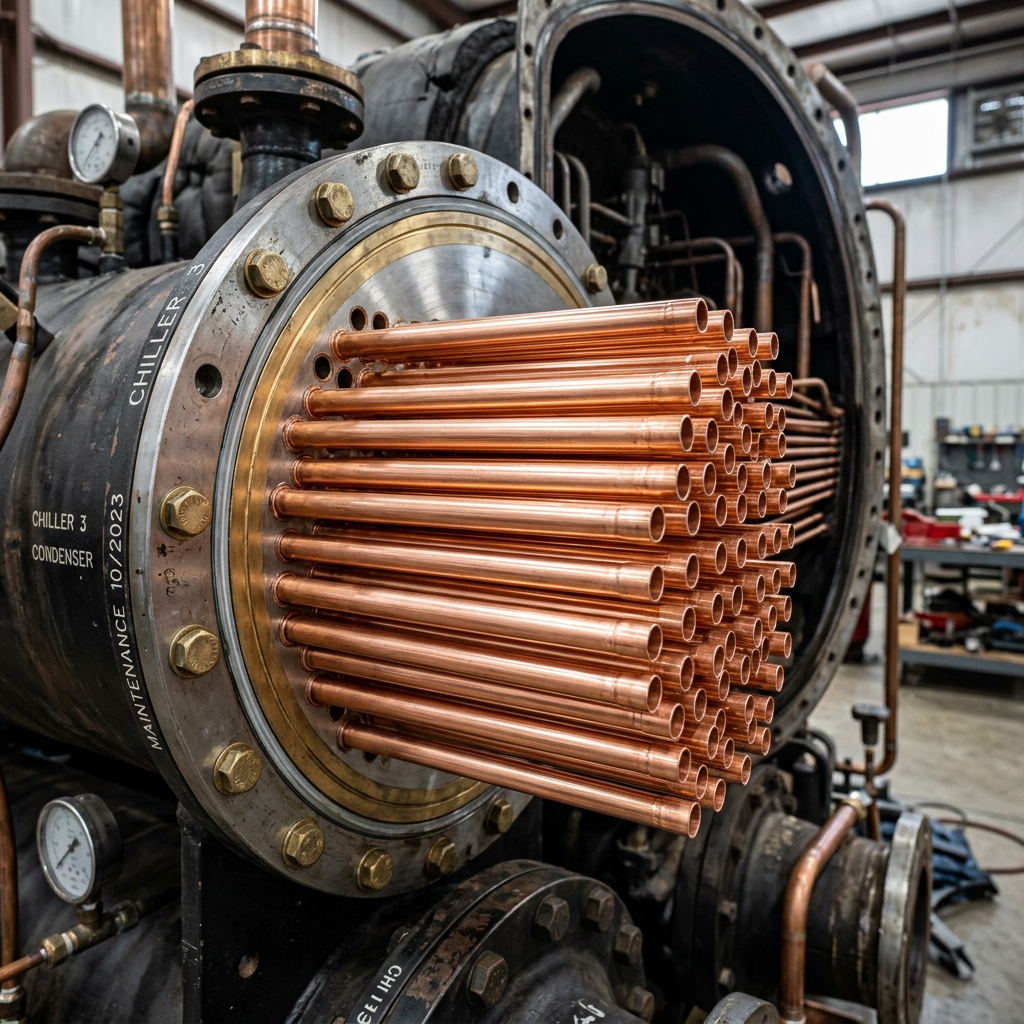
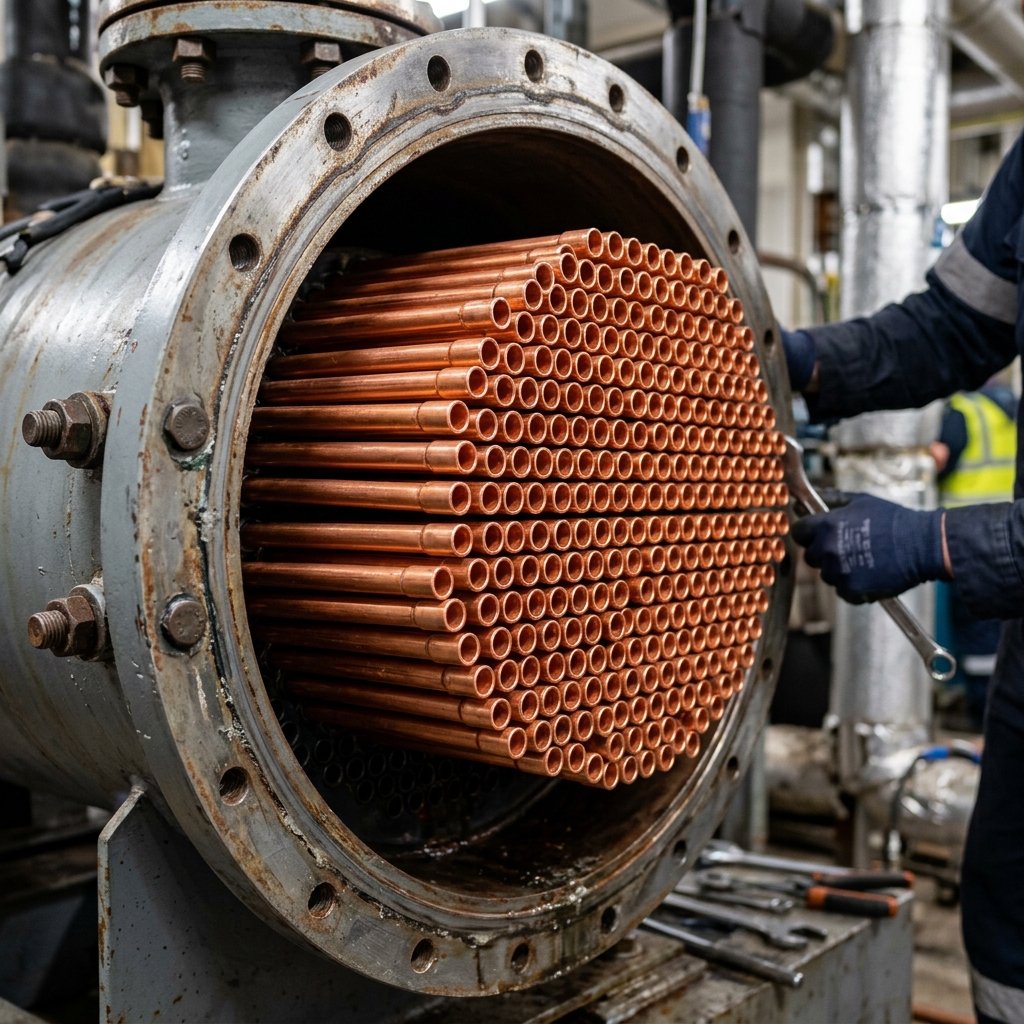
Deposits do not form evenly everywhere. They form fastest where water is hottest and flow is slowest — condenser tubes, high-efficiency film fill, spray nozzles and basin corners. Unfortunately, those are exactly the places where deposits hurt performance the most [4].
Engineering Note
COC can be estimated on site as the ratio of blowdown conductivity to make-up conductivity. Most Indian systems run at 2–4 cycles. The US EPA recommends operating at 6 or more cycles where water chemistry permits, for maximum water efficiency [5] — a target that is difficult on hard borewell water without effective scale control.
How Hard Water Affects Cooling Towers
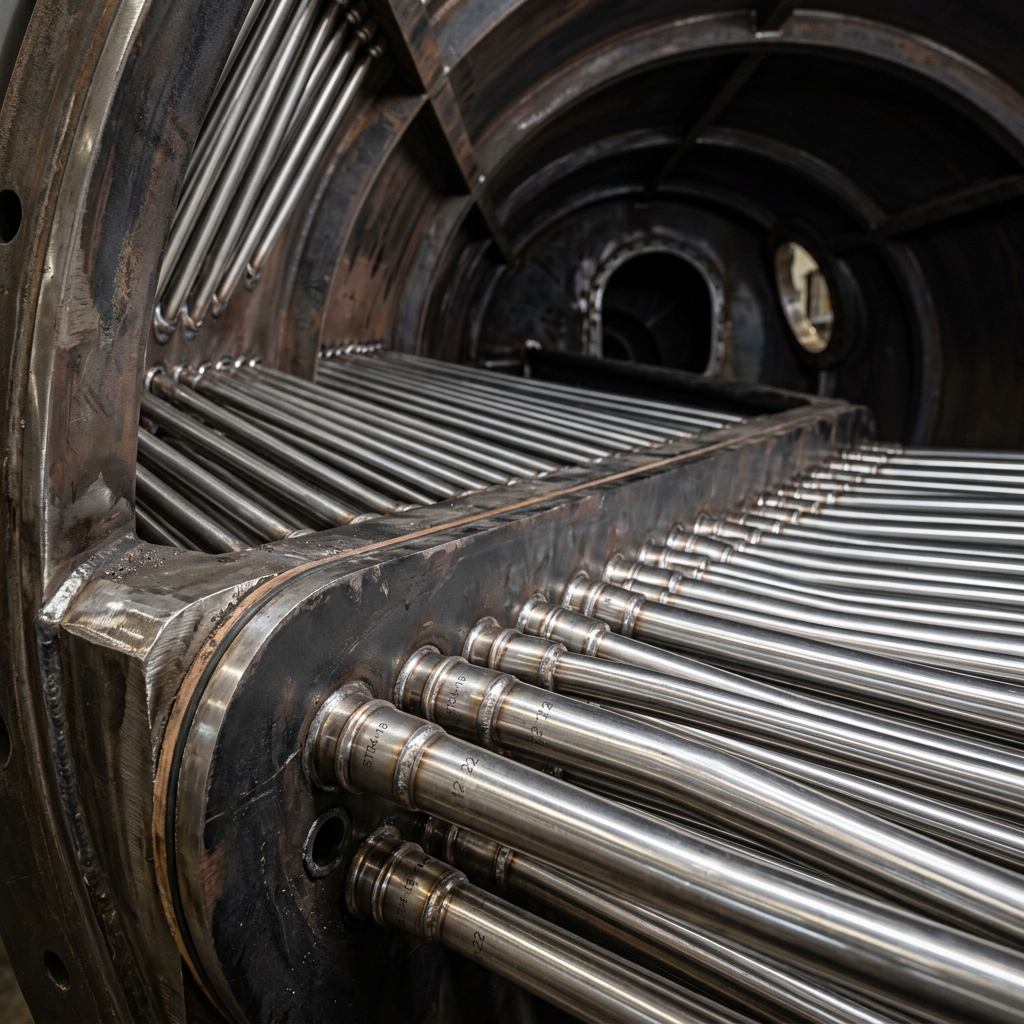
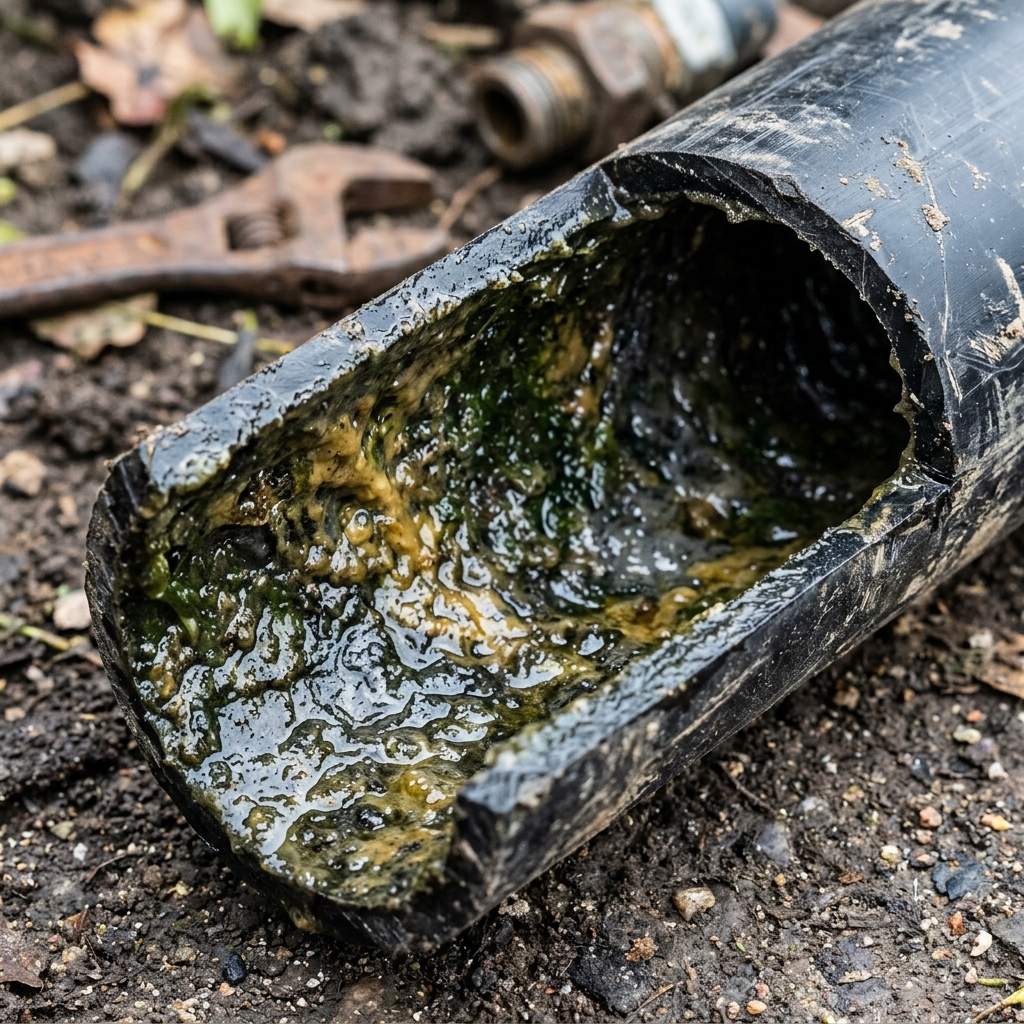
- Scale on heat transfer surfaces. Calcium carbonate (CaCO₃) is the most common cooling water scale. It precipitates first on the hottest surfaces — typically condenser tubes — forming a hard, adherent white-grey layer [4][6].
- Loss of heat transfer. Think of scale as a blanket wrapped around the tubes. Calcium carbonate conducts heat hundreds of times more poorly than the copper or steel it coats, so even a thin layer insulates the surface and blocks heat rejection [6].
- Higher electricity bills. As condenser tubes foul, the chiller compressor must work harder for the same cooling. Government guidance on HVAC maintenance estimates that just 0.6 mm of fouling on condenser water tubes can reduce chiller efficiency by about 20% [7].
- Reduced flow and pressure drop. Scale narrows tube bores, clogs nozzles and blinds fill, increasing pumping head. A 20% reduction in condenser water flow alone raises full-load chiller energy use by about 3% [8].
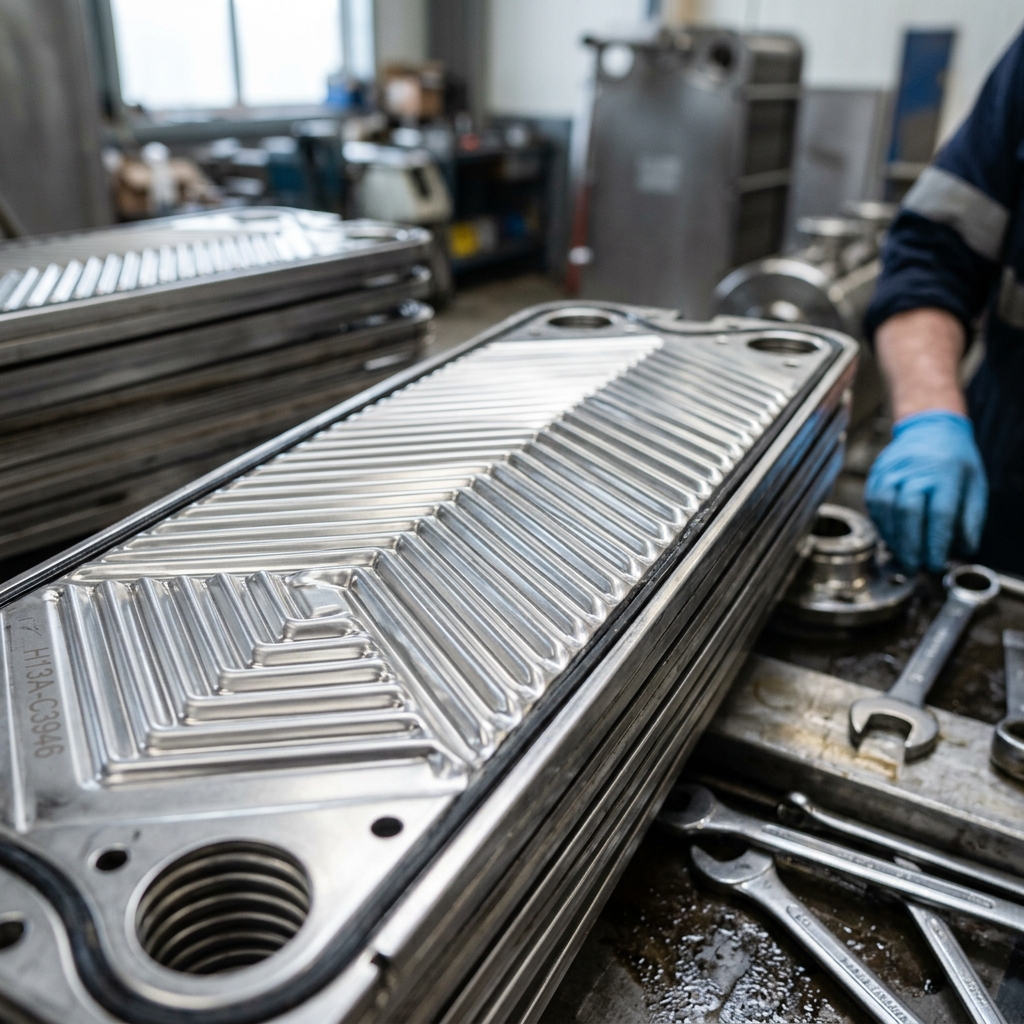
- Fill fouling. Modern film fill has narrow passages that scale easily. Fouled fill loses cooling capability, gains enormous weight, and in severe cases collapses [4].
- Under-deposit corrosion. Beneath scale layers, oxygen-starved pockets develop where aggressive pitting corrosion eats into tube metal — so scale and corrosion often arrive together [4].
- Microbial growth and Legionella risk. Rough scale surfaces give biofilm a place to anchor. Deposits and biofilm together raise the risk of Legionella bacteria, which is why standards such as ANSI/ASHRAE Standard 188 make deposit control part of building water safety [9].
- Water wastage. When scaling risk forces low COC operation, blowdown volumes shoot up — a serious concern in India’s water-stressed industrial belts.
- Downtime. Descaling condensers with acid or brushes means shutting equipment down, often in peak summer when cooling is needed most.
The Science, Simply
The whole story rests on one reaction:
Calcium bicarbonate dissolves happily in water; calcium carbonate does not. Three things push the change toward solid scale inside a cooling tower:
- 1. Heat. Unlike sugar in tea, calcium carbonate becomes less soluble as water gets hotter. So water that is stable in the cool basin turns scale-forming in the thin hot film touching a condenser tube — which is exactly why scale appears there first [4][6].
- 2. Concentration. Every cycle of concentration multiplies the calcium and alkalinity. Borewell water that seems harmless at 1 cycle can be strongly scale-forming at 4–6 cycles [3].
- 3. CO₂ escaping. The vigorous air-water contact in the tower strips out dissolved CO₂, nudging the chemistry further toward solid carbonate [4].
Operators predict scaling tendency using the Langelier Saturation Index (LSI) — a simple calculation from pH, hardness, alkalinity, temperature and TDS, first published by W.F. Langelier in 1936. Positive LSI means the water wants to deposit scale; negative means it wants to dissolve it (and may corrode instead) [10].
Did You Know?
Calcium carbonate can crystallise in three forms — calcite, aragonite and vaterite. Dense calcite is the type that cements itself onto hot surfaces, while non-sticking crystal forms can stay suspended in the water and leave with the blowdown [11].
Real-World Impact
Heat exchanger fouling across industry is estimated to cost about 0.25% of the GDP of industrialised countries once wasted energy, over-design, cleaning and lost production are added up [12]. At facility level:
| Impact Area | Typical Consequence | Source |
|---|---|---|
| Chiller energy | ~20% efficiency loss at just 0.6 mm condenser fouling | [7] |
| Condenser flow | 20% flow reduction raises energy use ~3% | [8] |
| Water use | Raising COC from 3 to 6 cuts make-up water ~20% and blowdown ~50% | [13] |
| Maintenance | Annual or more frequent tube cleaning, acid descaling, fill replacement | [4] |
| Availability | Unplanned cleaning outages, derated capacity in peak summer | [4] |
For a large Indian chiller plant running thousands of hours a year at commercial power tariffs, a fraction of a millimetre of condenser scale silently converts into lakhs of rupees of avoidable electricity cost annually — before counting chemicals, water and downtime.
Industry Best Practices
| Method | How it Works | Advantages | Limitations |
|---|---|---|---|
| Blowdown / COC control | Limits mineral concentration | Simple, essential baseline | Wastes water at low COC |
| Chemical inhibitors | Phosphonates/polymers delay crystal growth | Proven, adaptable | Recurring cost, dosing discipline, discharge norms |
| Acid / pH control | Lowers alkalinity and LSI | Effective on high-alkalinity water | Handling hazards; corrosion if overdosed |
| Softening make-up | Removes Ca/Mg before the tower | Tackles hardness at source | Salt use, brine disposal, running cost |
| Side-stream filtration | Removes suspended solids | Reduces fouling and biofilm anchoring | Does not remove dissolved hardness |
| Cleaning (mechanical/acid) | Restores fouled surfaces | Recovers lost efficiency | Reactive; downtime; tube wear |
| Monitoring (LSI, conductivity, coupons) | Early warning | Enables preventive action | Needs discipline and expertise |
The strongest programs combine continuous monitoring with prevention methods matched to local water chemistry, discharge rules and economics [3][5].
How HydroPulse Can Help
Alongside these established practices, HydroPulse offers a non-chemical approach to scale management. HydroPulse systems use HydroPolarization Technology to influence mineral behaviour in flowing water, encouraging calcium carbonate to form stable, suspended microcrystals in the bulk water instead of hard scale on heat transfer surfaces. The suspended crystals travel harmlessly with the water and leave through normal blowdown or filtration, helping reduce new scale formation and gradually assisting the loosening of existing deposits over time.
For cooling tower operators, this can mean cleaner condenser tubes and fill, less frequent descaling, more stable heat transfer, and the possibility of running higher cycles of concentration — saving water — without a matching rise in scaling risk. The approach uses no salt, acid or consumable chemicals, and works alongside good monitoring and blowdown practice rather than replacing it.
Key Takeaways
- Cooling towers concentrate dissolved minerals by design; on hard Indian borewell water, scale is almost inevitable without a control strategy.
- Calcium carbonate becomes less soluble as water heats up, so scale forms first on the hottest, most valuable surfaces — condenser tubes.
- Scale is an insulator: ~0.6 mm of condenser fouling can cost about 20% of chiller efficiency [7].
- Raising cycles of concentration from 3 to 6 saves about 20% make-up water and 50% blowdown [13] — but only if scaling is kept under control.
- Scale, corrosion and biofilm are linked problems; deposits promote under-deposit corrosion and shelter Legionella-risk biofilm [4][9].
- The Langelier Saturation Index is a practical first tool to predict scaling from a routine water test [10].
- Preventing scale is always cheaper than removing it.
Frequently Asked Questions
References
- U.S. EPA WaterSense. WaterSense at Work: Best Management Practices for Commercial and Institutional Facilities — Section 6.3: Cooling Towers. EPA, 2012 (updated 2023). https://www.epa.gov/watersense/best-management-practices
- Central Ground Water Board (CGWB), Ministry of Jal Shakti. Overview of Ground Water Quality in India. Government of India. https://cgwb.gov.in
- U.S. Department of Energy, FEMP. Best Management Practice #10: Cooling Tower Management. https://www.energy.gov/femp/best-management-practice-10-cooling-tower-management
- Veolia/SUEZ. Handbook of Industrial Water Conditioning — Chapter 25: Deposit and Scale Control in Cooling Systems. https://www.watertechnologies.com/handbook
- U.S. EPA. Water Management Plans and Best Practices at EPA. https://www.epa.gov/greeningepa
- Hasson, D. et al. “Mechanism of Calcium Carbonate Scale Deposition on Heat-Transfer Surfaces.” Industrial & Engineering Chemistry Fundamentals, 7(1), 59–65, 1968. https://doi.org/10.1021/i160025a011
- Department of the Environment, Water, Heritage and the Arts (Australia). Guide to Best Practice Maintenance & Operation of HVAC Systems for Energy Efficiency. Commonwealth of Australia, 2012.
- U.S. Department of Energy, FEMP. O&M Best Practices Guide — Chapter 6: Chillers. Pacific Northwest National Laboratory.
- ANSI/ASHRAE Standard 188-2021. Legionellosis: Risk Management for Building Water Systems. ASHRAE, 2021.
- Langelier, W.F. “The Analytical Control of Anti-Corrosion Water Treatment.” Journal of the American Water Works Association, 28(10), 1500–1521, 1936.
- MacAdam, J., Parsons, S.A. “Calcium carbonate scale formation and control.” Re/Views in Environmental Science & Bio/Technology, 3, 159–169, 2004. https://doi.org/10.1007/s11157-004-3849-1
- Müller-Steinhagen, H., Malayeri, M.R., Watkinson, A.P. “Fouling of Heat Exchangers — New Approaches to Solve an Old Problem.” Heat Transfer Engineering, 26(1), 1–4, 2005. https://doi.org/10.1080/01457630590889906
- U.S. EPA WaterSense. WaterSense for Commercial, Institutional, and Industrial Facilities (cycles of concentration guidance).